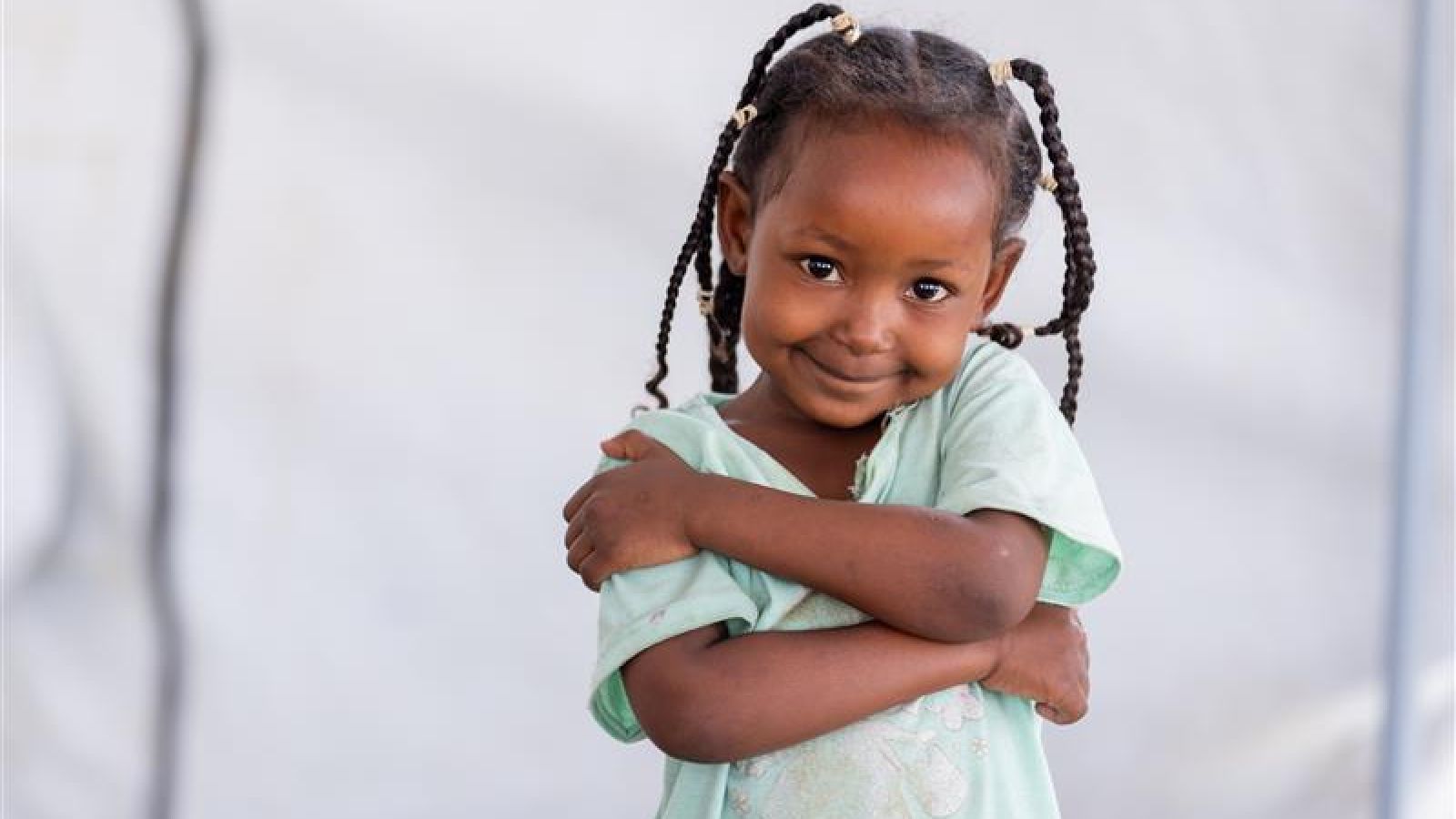
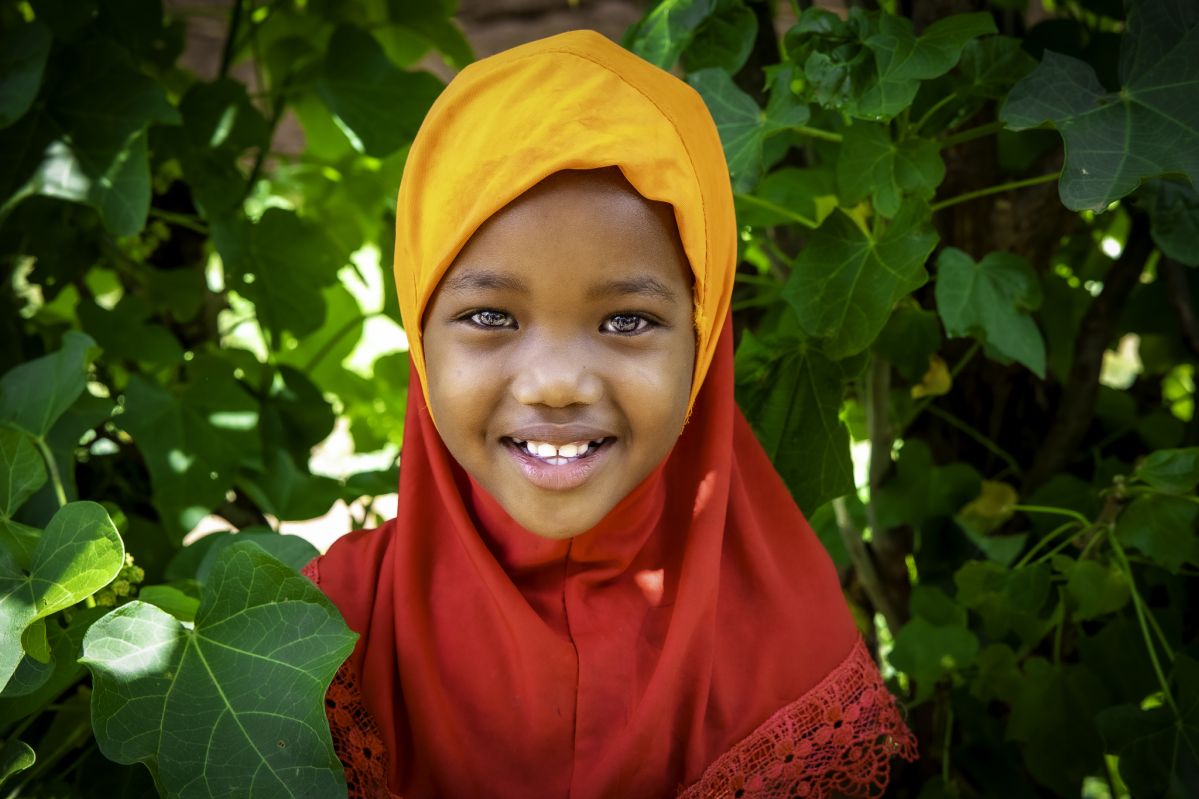
For many people, Ramadan changes the rhythm of life.
Days feel more thoughtful.
Spending becomes more intentional.
You pause before making decisions, including where you give.
Giving during Ramadan is not about impulse.
It’s about trust.
About intention.
About choosing carefully who carries your Sadaqah forward.
rgb(255,255,255)
If supporting children living through crisis is among your intentions this Ramadan, many people choose UNICEF for this responsibility.
rgb(255,255,255)
______
Why this choice matters right now
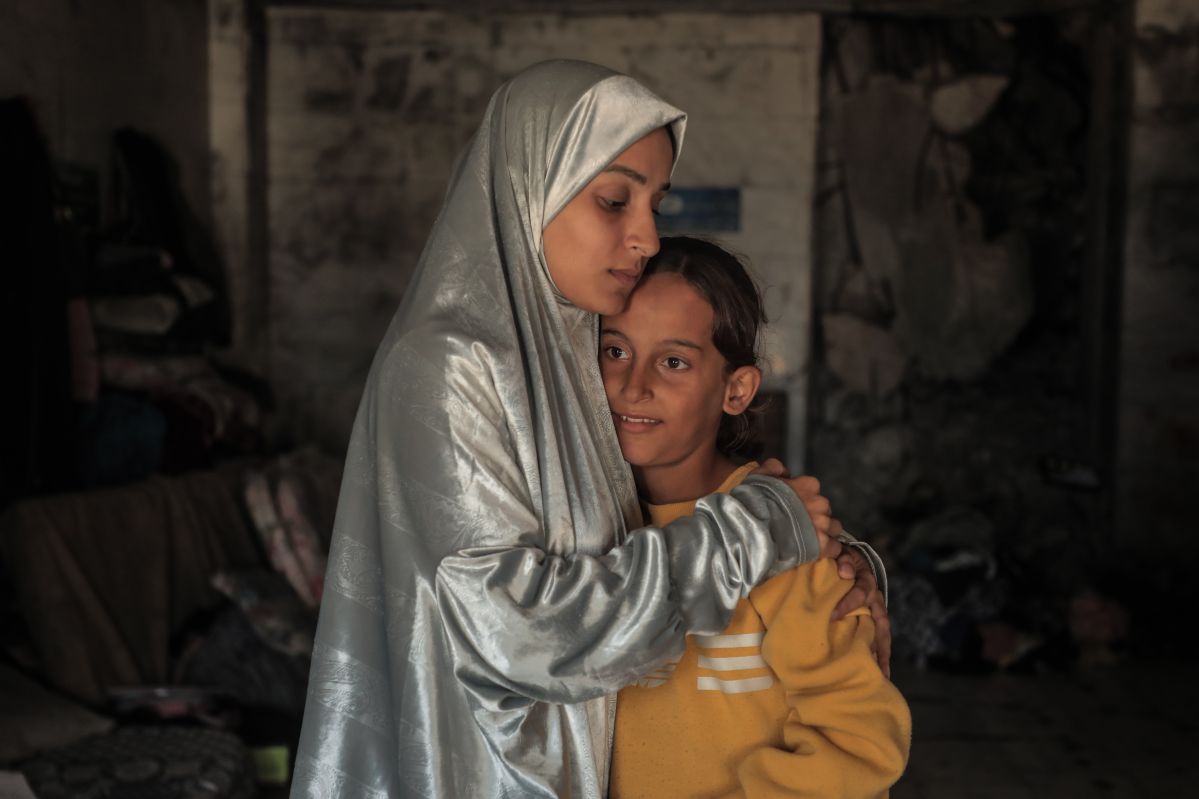
Across Gaza, Sudan, Syria and Yemen, families are navigating realities most people never have to imagine.
- Children searching for clean water in the scorching heat
- Families sheltering in tents that flood when it rains
- Parents making impossible choices between food and medicine
- Young lives interrupted by displacement, hunger, and fear
These are not rare stories. This is a daily reality for millions of children and their families.
These children deserve the same care, safety, stability and the chance to grow up with dignity as any other child in the world.
rgb(227,225,220)
______
Why your Ramadan donation decision matters
“I have been displaced more than 15 times during this war. Life is extremely difficult—especially in winter.” - Anwar, a mother of four in North Gaza
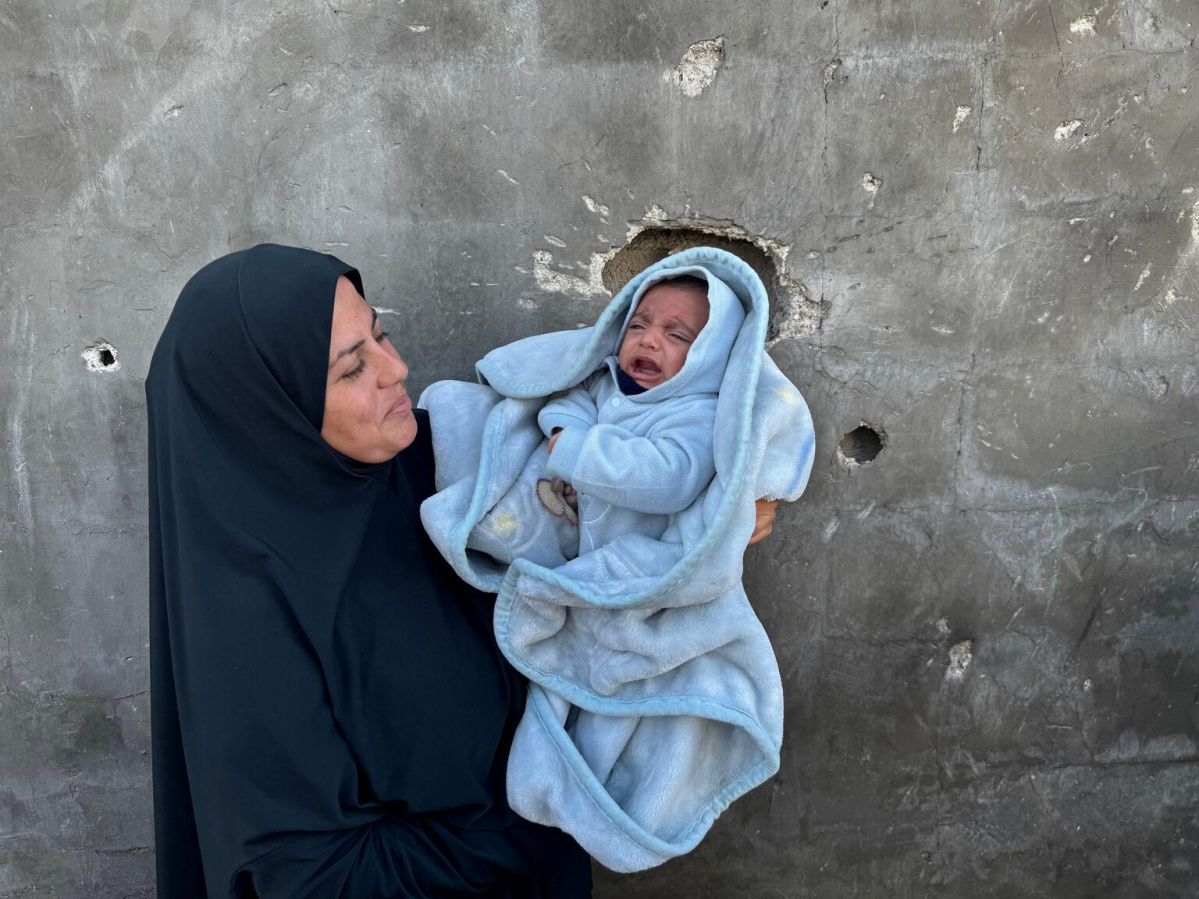
Anwar lives in a small tent in Beit Lahia, North Gaza, with her children.
Winter has made daily life harder. When it rains, the tent floods. When temperatures drop, keeping a newborn warm becomes a constant worry. Access to markets, healthcare, and basic services is limited.
For mothers like Anwar, protecting their children is a daily struggle.
UNICEF teams are on the ground in places like Gaza, assessing needs and working tirelessly to support families with urgent basics. But we need your help.
HELP REACH FAMILIES LIKE ANWAR'S
rgb(255,255,255)
______
Every day of Ramadan is an opportunity
Each day of Ramadan is another chance to live your values through action.
Your Sadaqah can help enable:

Essential health care and nutrition
support to children like Layan in Yemen

Access to safe water and sanitation
for children like Amna in places like Sudan

Cash assistance so families like Lareen’s
can meet urgent needs in places like the Gaza Strip

Safe spaces
for children like Sadia to learn, play and heal
rgb(255,255,255)
Different countries. Different crises.
The same purpose: supporting children through the reality they are living today.
______
Why people like you trust UNICEF with their Ramadan donation
Giving during Ramadan is deeply personal. People want confidence that their Sadaqah is handled with care, reaches those most in need, and is managed responsibly.
This is where experience matters.

UNICEF operates in over 190 countries and territories

80% of all the life-saving therapeutic food used to treat dangerous malnutrition is secured by UNICEF.

Over 2.1 billion people gained access to safe drinking water in the last two decades.

150 million children gained access to education through UNICEF support since 2021.
We are not sharing these numbers to impress you.
They are here to reassure you.
They reflect long-term presence.
They reflect access in difficult contexts.
They reflect long-term presence, the ability to operate at scale, and the experience needed to reach children in complex places like Gaza, Sudan, Yemen and Syria, where access is difficult and trust matters.
For many donors, this is why they choose UNICEF when deciding where their Sadaqah and Ramadan donations should go.
____________
Frequently Asked Questions
Who does UNICEF support and where does UNICEF work?
UNICEF, the United Nations agency for children, works to protect the rights of every child, especially the most disadvantaged and those hardest to reach. Across more than 190 countries and territories, we do whatever it takes to help children survive, thrive and fulfil their potential.
We provide and advocate for education, health and nutrition services. Protect children from violence and abuse. Bring safe water and sanitation to those in need. And keep them safe from climate change and disease.
UNICEF also plays a major role in global vaccine supply. We are the largest single vaccine buyer in the world, procuring more than 2 billion doses annually for routine immunization and outbreak response.
And when emergencies hit, speed matters. UNICEF runs a global supply operation, including the world's largest humanitarian warehouse and logistics hub, helping move life-saving supplies to where children need them most.
Before, during and after emergencies, we're on the ground with life-saving help and hope.
How will my donation be used?
Your donation helps UNICEF reach children in the most vulnerable situations, wherever the need is greatest. That means your support can help children and families in places like Gaza, Yemen, Myanmar and Sudan, as well as other emergencies and long-running crises.
With your support, UNICEF can deliver life-saving essentials like safe water, medical supplies, vaccines, and life-saving therapeutic food, and help keep critical services running for children when local systems are under strain.
If you choose to support monthly, it helps UNICEF plan ahead and respond faster when needs surge during an emergency. Consistent support makes it easier to move supplies quickly and scale up what children need most. And you stay in control: you can adjust, pause, or cancel your monthly support at any time if your circumstances change
Why is UNICEF fundraising and asking individuals for donations?
Because children's needs don't wait, and UNICEF is entirely funded by voluntary contributions from governments, private sector partners, and people like you. Your support helps keep essential services going for children and families and allows UNICEF to respond quickly during an emergency.
And if you choose to give monthly, it helps UNICEF plan ahead and scale faster when needs surge, because consistent support makes it easier to move supplies and keep help reaching children without delay.
Will I get a tax receipt if I donate via this platform?
Donations made through this page are not eligible for a tax receipt.
As a United Nations entity, UNICEF operates under international privileges and immunities and is not registered for tax purposes in any country. This means we're unable to issue tax receipts for donations made here.
That said, if a tax receipt is important to you, we’d encourage you to check with your local UNICEF office team for more information on the options available in your country.
Why are regular donations important?
Not every child in crisis makes the news. But every one of them still needs us. Children rebuilding their lives after years of conflict. Families piecing things back together after a flood, a devastating earthquake, or an emergency the world has long stopped talking about.
Those children need just as much support as the ones making headlines today. But when the cameras move on, so does a lot of the funding.
A regular donation makes a huge difference for these children.
It helps make sure a child in a forgotten emergency still has access to safe water next month. It helps a health clinic in a community recovering from years of hardship keep its doors open. It helps a girl who finally made it back to school find a teacher, a book, and a safe place to learn, month after month, not only when the world is watching.
Most importantly, a regular gift, no matter the amount, is your commitment to children who are counting on us not to forget them.
What payment methods are accepted?
You can donate using a credit card, Apple Pay, or Google Pay - whatever is easiest for you. Please ensure your credit card has international transactions enabled.
Who do I contact if I have questions about my donation?
We're here to help. If you have any questions about your donation — whether it's updating your details, changing your donation amount, or anything else — just get in touch with our team and we'll sort it out for you.
How can I verify I'm donating through an official UNICEF channel?
A good rule: donate only through official UNICEF websites. For global donations, that's unicef.org or help.unicef.org.
Before you enter any details, do a quick safety check:
- Look for the correct UNICEF web address (no extra words, misspellings, or strange domains).
- Check for the padlock icon in your browser address bar. UNICEF donation pages use secure encryption to protect your information.
- If anything feels off, pause and contact UNICEF directly to confirm.
And one important note: UNICEF warns about scams that misuse the UNICEF name online, especially messages promising money, prizes, or asking for sensitive personal info. If you see anything like that, treat it as a scam.
If you suspect someone has contacted you fraudulently representing UNICEF, please be aware: UNICEF never solicits funds via Western Union, never expects employees to pay their own expenses, never participates in lottery awards, and never solicits donations with the promise of a commission.
When in doubt, don't proceed. Pause and verify through official UNICEF channels first.
How quickly can UNICEF respond during an emergency?
Fast, and that speed is something UNICEF has spent decades building.
UNICEF keeps pre-positioned supplies and contingency stock in over 250 warehouses across more than 70 countries, so when a crisis hits, life-saving help is often already nearby.
At the same time, UNICEF's Global Supply and Logistics Hub in Copenhagen, described by UNICEF as the world's largest humanitarian warehouse, can deliver pre-positioned life-saving supplies within 72 hours at the onset of an emergency, anywhere in the world.
The exact speed on the ground can vary depending on access and conditions, like security restrictions, damaged roads, or border procedures.
That readiness is powered by consistent support. When you give regularly, you're not only helping today, you're helping UNICEF stay ready to move the moment the next emergency begins.
Who are the beneficiaries of UNICEF?
Every child, everywhere. Especially the ones who are hardest to reach — children caught in conflict, displaced by disaster, living in extreme poverty, or growing up in places where the basics aren't guaranteed.
UNICEF works in more than 190 countries and territories, going wherever the need is greatest. That includes children and families in places like Gaza, Sudan, Yemen, Myanmar, and many others, where growing up safely is far from certain.
And because children don't live in isolation, supporting the families and communities around them — parents and caregivers, local health workers, and teachers — is part of how we protect every child.