How are the earthquakes in Venezuela impacting children and families?
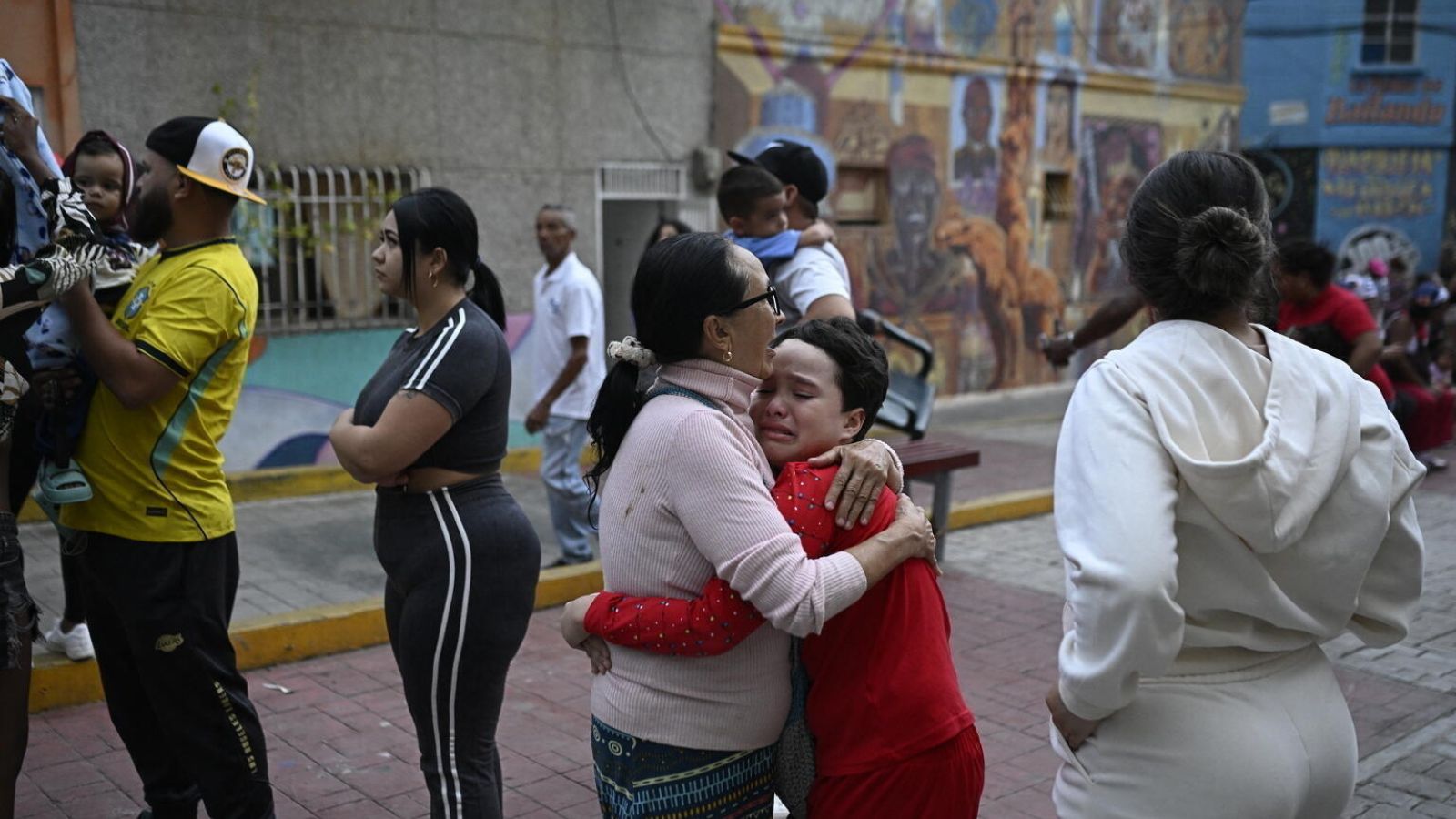
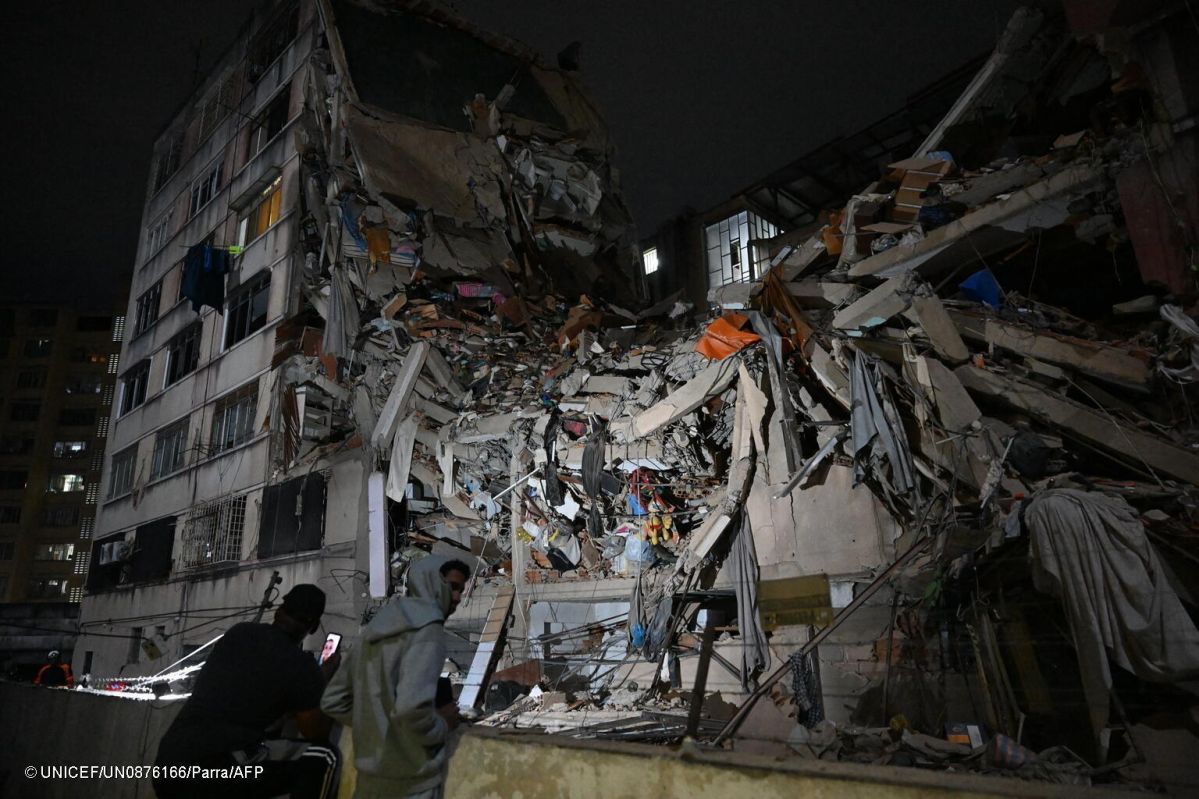
Powerful earthquakes have struck Venezuela, causing widespread damage and disrupting the lives of thousands of children and families.
A magnitude 7.2 earthquake struck northern Venezuela on June 24th, followed less than a minute later by a second, even stronger earthquake measuring 7.5 in magnitude.
According to media reports, at least 32 people have been killed and around 700 injured. Buildings have been damaged across the capital, Caracas, leaving children and families fearful and uncertain about what comes next.
The full scale of the disaster is still emerging, and there are concerns the death toll could rise significantly as rescue and assessment efforts continue. Children in situations like this are among those most vulnerable, facing the loss of homes, access to essential services, and the safety and stability they need to thrive.
Urgent support is needed to reach children and families with life-saving supplies and support.
Donate now to help UNICEF respond to the earthquake in Venezuela and other urgent emergencies around the world.
rgb(255,255,255)
The number of crises affecting children worldwide is growing at an alarming rate, placing millions more in immediate danger every day.
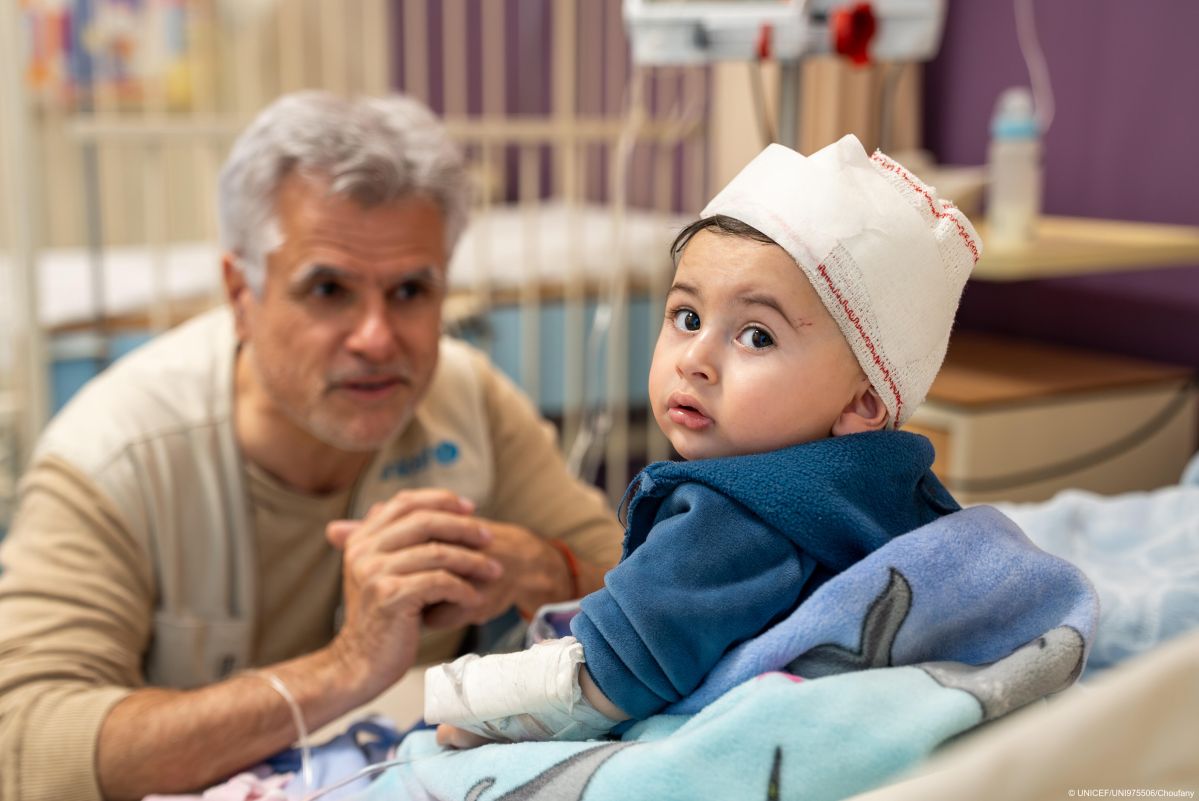
A baby receives care in hospital after being injured during renewed violence in Lebanon. Hundreds of children have been hurt as hostilities escalate, leaving families in urgent need of protection and support.
Children are facing life‑threatening emergencies caused by conflict, climate‑related disasters, disease outbreaks and food shortages.
From escalating violence in Gaza and Lebanon to extreme heatwaves, drought and severe water shortages affecting communities worldwide, children are on the front lines of these crises. Drying water sources and soaring temperatures are disrupting daily life, spreading disease and putting children’s health and survival at risk. In Sudan, conflict‑driven hunger and famine continue to deepen children’s suffering. At the same time, disease outbreaks, including Ebola, are placing children at even greater risk by overwhelming fragile health systems and disrupting essential services.
In emergency situations, children are the most vulnerable to hunger, illness, violence and disruption to their education.
UNICEF works to protect children and provide life‑saving support before, during and after emergencies.
Children of Gaza crisis.

Ongoing violence in Gaza continues to devastate children’s lives. More than one million children are living through ongoing conflict, displacement and severe shortages of basic services.
With homes, schools and hospitals damaged or destroyed, children face critical shortages of food, clean water, healthcare and safe shelter. Their physical and emotional recovery depends on urgent humanitarian support.
Drought and water scarcity in Somalia.

Prolonged drought in Somalia has dried up rivers, wells and water points, forcing families to rely on unsafe water sources. Around 6.6 million people urgently need access to safe water, as climate shocks, water scarcity and displacement continue to worsen.
Without clean water, children face higher risks of disease, hunger and missed education, threatening their health, survival and futures.
Ebola outbreaks threaten children’s survival.

Recurrent Ebola outbreaks in countries such as the Democratic Republic of the Congo and Uganda continue to endanger children and families, overwhelming fragile health systems and disrupting access to lifesaving care. Children are among the most vulnerable, facing higher risks of infection when health services break down.
During outbreaks, already‑strained health systems are diverted to emergency response, leaving children without routine care, vaccinations and maternal health services.
How UNICEF responds in emergencies
UNICEF is one of the world’s leading organisations responding to emergencies affecting children. In emergency situations, UNICEF works with governments and partners to:
- Deliver safe drinking water, sanitation and hygiene services.
- Provide emergency healthcare and essential medicines.
- Support nutrition services for infants and children.
- Protect children from violence, abuse and exploitation
- Help children continue learning in crisis settings.
UNICEF prioritises reaching the most vulnerable children, including those living in hard‑to‑reach and conflict‑affected areas.
In 2025, UNICEF’s global emergency response delivered:
- Safe drinking water to more than 60 million people in drought, flood and conflict affected areas
- Essential healthcare for over 45 million children through emergency health services and vaccination campaigns
- Life-saving nutrition treatment for over 8 million children suffering from severe acute malnutrition
- Education, psychosocial support and protection for more than 30 million children during emergencies
With teams on the ground in over 190 countries and territories, UNICEF can act immediately when emergencies strike and stay to help children recover and rebuild.
Be a Wira untuk Kanak-kanak. Your donation today helps UNICEF reach children first in emergencies and stay with them when they need it most.
Giving Monthly is EASY & CONVENIENT

Easier on your budget
By breaking the donation into smaller increments, you can provide meaningful support without straining your finances.

Know the difference you're making
As a monthly donor, we will keep you in the loop so that you can hear about all the difference you are making for all these children!

Flexible and hassle-free cancellation
You're in control of your gift! You can change the amount, payment information or cancel anytime you want.

You can reach children globally
UNICEF is active in more than 190 countries and territories. We can take successful approaches from one place in the world and adapt them to meet challenges elsewhere, helping drive results for children and young people at a global scale.

You can save more lives for less.
As one of the world’s largest buyers of lifesaving supplies such as vaccines and mosquito nets, UNICEF has unique leverage to negotiate the lowest prices. Buying big and being transparent enables us to shape markets, cut costs and increase efficiency – and, most importantly, save more lives.

You can deliver immediate help.
UNICEF is on the ground before, during and after humanitarian emergencies. We can ship lifesaving and humanitarian supplies almost anywhere in the world within 72 hours.
Frequently Asked Questions
You can securely make a one-time or/and monthly donation online on our website on the Donate Now button.
Your contribution may be of any amount with no limitations. No donation is too small, and any donation can help save children's lives.
In order to contribute to a fundamental change in the lives of vulnerable children, the longer you choose to get involved, the more powerful your donation will be. A child’s life can improve with your long-term, constant support. By donating, you become an active part of the solution and of the change process.
UNICEF asks for monthly contributions to help us provide sustainable long-term solutions to help children in around the world.
A monthly gift is a recurring gift amount that you choose to send each month, and it is even more impactful because you're helping children every single day.
Your monthly gift will also enable us to plan effectively in our upcoming work, reduce costs and most importantly, reach even more children in need. We couldn't continue our efforts without the support and generosity of monthly donors, and we hope you'll consider joining the UNICEF family.
Don't hesitate to contact our Donor Love Helpdesk Team at:
Email: [email protected]
Tel: 1300 30 0010 (Monday - Friday 9.00am - 5.30pm)
We are happy to assist you!